Bathroom Mold: Causes, Prevention, and Removal. Bathroom mold is a common issue that plagues homeowners and renters alike. It thrives in bathrooms’ moist, humid environment, causing unsightly stains and potential health hazards.
Dealing with bathroom mold is more than just a matter of aesthetics. It’s crucial for maintaining a healthy living environment.
This comprehensive guide will explore the causes of bathroom mold, its health implications, prevention strategies, safe removal methods, and how it can impact property value.
Table of Contents
Understanding Mold
Mold is a type of fungus that reproduces through microscopic spores. It can grow on various surfaces and thrives in damp conditions.
Common Types of Bathroom Mold
1. Mildew
Mildew is a surface-level mold often appearing in white or gray powdery patches. While it’s less harmful than other molds, it’s still essential to address promptly.
2. Black Mold
Black mold, or Stachybotrys chartarum, is a particularly concerning type of mold due to potential health risks associated with exposure. It appears as dark green or black patches.
3. Pink Mold
Pink mold, scientifically known as Serratia marcescens, can be found in damp environments and appears as pink or reddish stains. It’s known for its rapid growth.
Causes of Bathroom Mold
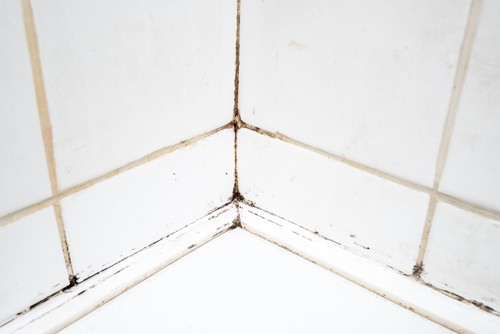
High Humidity Levels
Bathrooms are naturally humid environments, creating an ideal breeding ground for mold. High humidity levels can lead to condensation on surfaces.
Poor Ventilation
Inadequate ventilation allows moisture to linger in the bathroom after showers and baths, promoting mold growth.
Leaky Fixtures and Pipes
Leaks from faucets, pipes, or showers provide a consistent source of moisture, encouraging mold development.
Insufficient Cleaning Practices
Neglecting regular cleaning and maintenance allows mold spores to accumulate on surfaces.
Building Materials and Design
Certain building materials and poor bathroom design can contribute to mold growth. For example, porous grout and improper sealing can create spaces for mold to thrive.
Health Implications of Bathroom Mold
- Respiratory Issues: Mold exposure can lead to respiratory problems, especially for individuals with allergies or asthma.
- Allergic Reactions: Mold can trigger allergic reactions such as sneezing, coughing, itchy eyes, and skin rashes in sensitive individuals.
- Long-term Health Risks: Prolonged mold exposure may be linked to more severe health issues, although the exact extent of these risks is still a subject of research.
Preventing Bathroom Mold
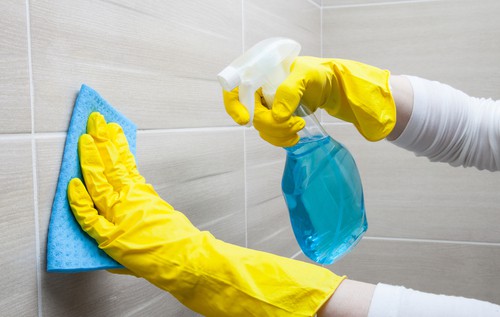
Proper Ventilation
- Installing Exhaust Fans: Exhaust fans effectively remove moisture from the bathroom. Install a fan if your bathroom doesn’t already have one.
- Keeping Windows Open: Opening windows can help reduce humidity levels by allowing fresh air to circulate.
Reducing Humidity
- Using Dehumidifiers: Dehumidifiers can be placed in bathrooms to maintain optimal humidity levels.
- Fixing Leaks Promptly: Address any plumbing leaks immediately to prevent constant moisture buildup.
Regular Cleaning and Maintenance
- Cleaning Grout and Tiles: Regularly clean grout and tiles to remove soap scum and prevent mold growth.
- Sealing Grout Lines: Seal grout lines to create a moisture-resistant barrier.
Using Mold-Resistant Products
Choose mold-resistant paints and materials when renovating or remodeling your bathroom.
Proper Storage and Organization
Allow air circulation around stored items, and avoid leaving damp towels or bathmats on the floor.
Detecting and Identifying Mold
- Perform regular visual inspections for signs of mold growth on walls, ceilings, and fixtures.
- A musty odor in the bathroom can be an indicator of hidden mold.
- If you suspect mold but can’t locate it, consider professional mold testing to identify the extent of the problem.
Safe Removal of Bathroom Mold
Necessary Safety Precautions
When removing mold, wear protective gear, including gloves, goggles, and a mask, to avoid inhalation of spores.
Ensure proper ventilation by opening windows and doors during mold removal.
DIY Mold Removal
Create homemade mold cleaners using ingredients like vinegar or hydrogen peroxide. These can be effective for small mold infestations.
Use scrubbing techniques to remove mold from surfaces, and dispose of cleaning materials properly.
When to Call Professionals
Hiring professionals with expertise in mold removal is advisable for extensive mold infestations or hidden mold.
If you have health concerns related to mold exposure, consult a healthcare provider and consider professional removal.
Cleaning Mold from Different Surfaces
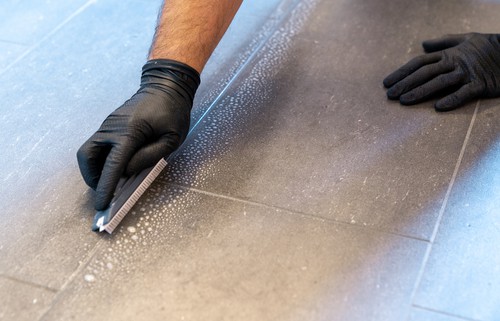
Removing Mold from Tiles and Grout
Use mold-specific cleaners or homemade solutions to clean mold from tiles and grout.
Mold Removal from Caulk and Sealants
Remove and replace moldy caulk and sealants to prevent recurrence.
Dealing with Mold on Walls and Ceilings
Scrub and repaint affected areas on walls and ceilings to eliminate mold.
Handling Moldy Shower Curtains
Machine-wash or replace moldy shower curtains to maintain a mold-free bathroom.
Preventing Mold Recurrence
Regular Maintenance Routine
- Implement a regular cleaning and maintenance routine to prevent mold from returning.
- Consider using mold-inhibiting paints on bathroom walls to deter mold growth.
- Seal any gaps or cracks in bathroom walls, floors, and fixtures to prevent moisture infiltration.
Frequently Asked Questions (FAQs)
How can I tell if it’s mold or mildew?
Distinguishing between mold and mildew can be challenging, but mold typically has a fuzzy or slimy texture, whereas mildew is powdery and surface-level.
Can I prevent mold with natural remedies?
Natural remedies like vinegar and hydrogen peroxide can help prevent and clean mold, especially in small infestations.
Is black mold always dangerous?
Black mold is a concern due to its potential health risks, but not all black molds are equally hazardous. Consult a professional for proper identification.
How quickly can mold grow in a bathroom?
Mold can begin to grow in as little as 24-48 hours in the right conditions, making prompt prevention and removal crucial.
What do I do if I find mold in my bathroom rental property?
Notify your landlord or property manager immediately. They are responsible for addressing mold issues in rental properties.
Are there any long-term health effects of mold exposure?
Prolonged mold exposure may be linked to more severe health effects, but it varies from person to person. Consult a healthcare provider if you have health concerns.
Bathroom Mold: Causes, Prevention, and Removal – Conclusion

Addressing bathroom mold is a battle worth fighting for the sake of your health and the integrity of your home. You can enjoy a mold-free and healthy bathroom environment with proper prevention, detection, and removal techniques.
By following the advice in this comprehensive guide, you can maintain a bathroom that is not only mold-free but also conducive to your health and well-being.
Are you seeking professional and reliable house cleaning services in Singapore? Contact us today!